Best Affordable Pellet Grills
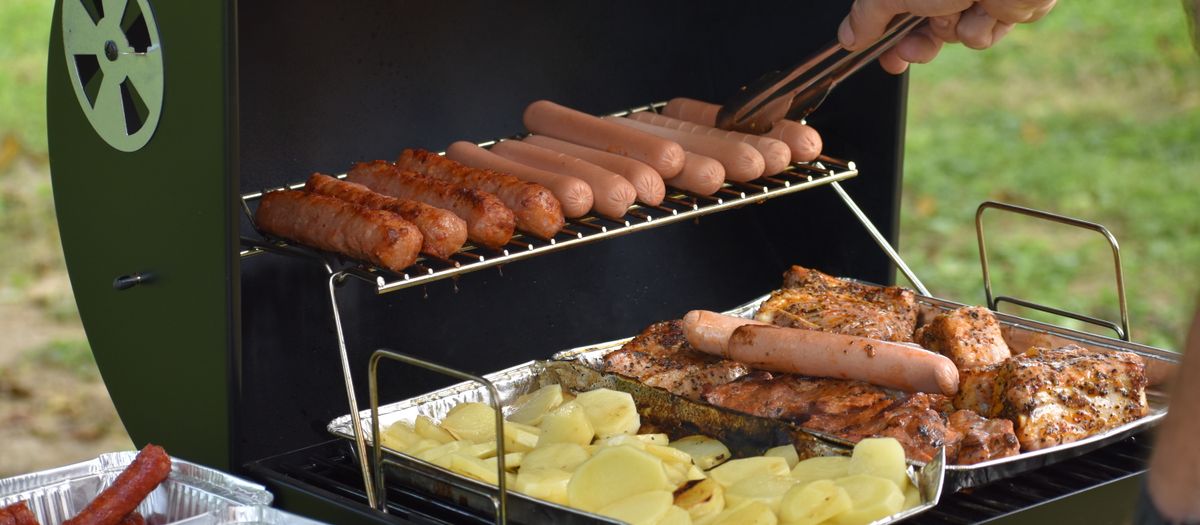
You do not need a flagship to pull a good brisket. The best affordable pellet grills spend your money where it changes the cook — a steady build and a PID-style controller — and skip the premiums that do not. This guide compares value, under-$500 and portable picks on grate area, hopper capacity, controller and build. The verified picks appear in each slot once real product data is in.
The slots here are best affordable overall, best under $500, best portable, best budget WiFi and best entry-level smoker — so you can match the price tier to how (and where) you cook.
Specs verified against manufacturer details and current Amazon listings — no hands-on testing claims. Grate area, hopper capacity and temp-range figures are taken from published manufacturer specs; burn-time and capacity estimates are derived from those specs and stated cook conditions.
What “affordable” actually buys you
An affordable pellet grill is not a worse cooker — it is a more focused one. The good budget units put your money into the two things that decide whether a brisket turns out (a steady build and a controller that holds temp) and skip the premiums that do not change the cook (slick apps, heavy branding, accessory ecosystems). The trap is the opposite kind of cheap: a wobbly body and a guessing on/off controller that frustrate a beginner into quitting before they ever pull a good brisket. So “affordable done right” means spending the least on motors and badges and the most on a stable cook. The slots below sort the value field into best affordable overall, best under $500, best portable, best budget WiFi and best entry-level smoker, so you can match the price tier to how — and where — you cook.
Where to spend and where to save
On a budget, the spend-versus-save call is clearer than at the flagship end, because the trade-offs are sharper. Here is the order I would protect your dollars in:
- Spend on the controller. A PID-style controller holds temperature far more tightly than a basic on/off controller by anticipating drift instead of chasing it. For long, low cooks that steadiness is the whole game, so this is the last thing to cheap out on. If the choice is PID-without-WiFi versus WiFi-without-PID at the same price, take the PID every time.
- Spend on grate area you will actually use. A budget grill with a usable family-size grate (roughly 450–600 sq in) outvalues a tiny one you outgrow in a season. Buy for your biggest realistic cook, not your average weeknight.
- Save on WiFi/app control. Watching an overnight cook from your phone is a genuine convenience, but it is a nice-to-have, not a need-to-have — plenty of great cooks happen on grills with no app at all.
- Save on sear ceiling and accessory ecosystems unless you specifically want to sear as well as smoke. A beginner pulling low-and-slow briskets does not strictly need a 500°F ceiling or a wall of branded mods.
Can you get a good pellet smoker under $500?
Yes — comfortably. Under $500 you can get plenty of grate area, a usable hopper and a digital controller that holds low-and-slow temps. What you typically give up at that price is WiFi/app control, heavier insulation and a high sear ceiling — none of which a beginner needs to pull a good brisket. The capacity math still applies: a typical 18-lb hopper at 225°F runs roughly 10–16 hours in mild weather, which covers most overnight cooks, but a cold winter night pushes the burn-rate up and can shorten that window, so a budget grill with a small hopper wants watching on a long, cold cook. Spec-by-spec, a budget unit with a real PID controller and a family-size grate will out-cook a pricier one with a flashy app and a guessing controller — which is exactly the value the under-$500 slot is built to find. Run your longest cook through the hopper burn-time calculator before you buy small, so you know whether a cheaper grill can still make it through the night.
Are portable pellet grills any good?
A good portable pellet grill still holds steady temps — the trade-off is purely capacity. A small grate (often 250–350 sq in) and a small hopper (8–12 lb) suit tailgates, balconies and weeknight cooks for two, and on my own setup a compact pellet grill is the unit I reach for when I do not need the full-size workhorse. The honest limit is the long, big cook: a full packer brisket or a crowd will outgrow a portable, and an 8–12 lb hopper at 225°F burns through in roughly 4–10 hours, so an overnight cook means refills. If portability is genuinely the point — you camp, you tailgate, you have a tiny patio — a compact grill is a smart, satisfying buy. If it would be your only grill and you entertain, size up now and save yourself the “bought too small” regret.
The false economies to avoid
The cheapest grill is not always the cheapest decision. The places a too-cheap unit costs you later are predictable: a body so thin and poorly sealed that it leaks heat and fights you in wind; an on/off controller that swings 30–40°F and makes a clean bark a matter of luck; and a hopper so small that every long cook becomes a refill chore. Any one of those can turn a beginner off low-and-slow for good — which is the most expensive outcome of all. The floor worth buying above is a steady build, a digital controller that genuinely holds temp, and enough hopper for a weekend cook. Below that floor you are not saving money, you are pre-paying for a second grill.
Reading the spec sheet on a budget grill
Budget listings are written to make every grill sound the same, so it pays to read the specs in the order that actually predicts the cook. Start with the controller: look for the words “PID” or a tight stated temperature swing rather than a vague “digital control.” A genuine PID holds within a few degrees; a basic on/off controller can swing 30–40°F, which shows up as an uneven bark and a stressful long cook. Next, read grate area in square inches, not the marketing “total cooking area” that counts a warming rack you will rarely use — a budget grill with 450–500 sq in of usable main grate is plenty for a family. Then hopper capacity in pounds: an 18–20 lb hopper carries a long cook, a sub-12 lb hopper means refills. Finally temp range and build weight: a higher ceiling adds sear ability you may not need, while a heavier unit usually means thicker steel that holds heat and resists wind. Read those five lines and you have priced the cook, not the badge.
Sizing a budget grill to your crowd
Buying affordable is no excuse to buy too small — that is how a deal turns into a do-over. The same capacity math applies at every price: roughly 72 square inches per person for a mixed cook, with a full packer brisket eating 200–300 square inches on its own. So a value grill around 450–600 sq in comfortably feeds a small family, while a budget buyer who entertains should stretch for 700-plus square inches even if it means waiting for a sale. On the hopper side, spec-by-spec a 20-lb hopper at 225°F runs roughly 12–18 hours in mild weather and noticeably less on a cold night, so size the hopper to your longest, coldest cook rather than your easiest one. The cook-capacity calculator turns your real cooks into a required grate area and a hopper burn-time, so a budget purchase is a sized decision, not a hopeful one.
Timing a deal without buying too small
Affordable pellet grills go on sale often, especially around the spring grilling season, Father's Day, Black Friday and the holidays — and a well-timed discount can put a better-built grill in budget reach. The trap is letting the deal pick the grill: a too-small unit at a great price is still the wrong grill, and that “bought it on a holiday-weekend deal” mistake is exactly how a lot of first seasons go sideways. The disciplined move is to decide on the grate size and hopper capacity you need first, then watch for a sale on a model that meets that floor. Sign up for price alerts on the specific model rather than browsing whatever is discounted, and you get the savings without the regret. A deal is only a deal if it is on the right grill.
Doneness and food safety, briefly
Budget grill or flagship, the food-safety rule is the same: doneness is decided by internal temperature, not by time or by how it looks. Cook all meats to a safe internal temperature verified with a probe thermometer and follow USDA safe-temperature guidance — poultry to 165°F, whole cuts of beef and pork to at least 145°F with a rest, and tougher smoked cuts like brisket and pork shoulder typically taken to around 195–205°F for tenderness. An inexpensive probe thermometer is the single best cheap upgrade you can pair with a budget grill, because the controller only knows the chamber temp, not whether the meat is done. When in doubt, probe it.
| Best for | Cooking area | Hopper | Controller | Temp range | Racks |
|---|---|---|---|---|---|
| Best affordable overall | Approx 141 sq in | Pellet scoop (no large hopper) | Digital, presets | Approx 105-500°F | 1 |
| Best under $500 | Approx 242 sq in (XL) | Pellet scoop (no large hopper) | Digital with WiFi/Bluetooth app | Approx 105-500°F | 2 |
| Best portable | 202 sq in | Not listed | PID 3.0 digital | Not listed | Not listed |
| Best budget WiFi | 450 sq in | Not listed | WiFi app + adaptive PID digital controller | 180–500°F | Not listed |
| Best entry-level smoker | 718 sq in | Not listed | LCD digital with included meat probe | 180–500°F | Porcelain-coated steel grates |
Our top picks
Best affordable overall: Ninja Woodfire Outdoor Grill & Smoker, 6-in-1 Master Grill, BBQ Smoker & Air Fryer (OG701)

Best affordable overall
Ninja Woodfire Outdoor Grill & Smoker, 6-in-1 Master Grill, BBQ Smoker & Air Fryer (OG701)
Ninja
- Cooking area: Approx 141 sq in
- Hopper capacity: Pellet scoop (no large hopper)
- Temp range: Approx 105-500°F
- Controller: Digital, presets
- Cooking racks: 1
- Build / material: Steel with porcelain-enameled grate
The Ninja Woodfire is a compact pellet-fired grill, smoker, and air fryer that runs on a small pellet scoop rather than a big hopper. It is the best affordable overall pick for patios and beginners who want real woodfire flavour at a low price.
Last checked 2026-10-09
Best under $500: Ninja OG951 Woodfire Pro Connect Premium XL Outdoor Grill & Smoker, App Enabled

Best under $500
Ninja OG951 Woodfire Pro Connect Premium XL Outdoor Grill & Smoker, App Enabled
Ninja
- Cooking area: Approx 242 sq in (XL)
- Hopper capacity: Pellet scoop (no large hopper)
- Temp range: Approx 105-500°F
- Controller: Digital with WiFi/Bluetooth app
- Cooking racks: 2
- Build / material: Steel with porcelain-enameled grates
The Ninja Woodfire Pro Connect Premium XL adds app control, a built-in thermometer, and a larger XL cooking area while staying under $500. It is the best sub-$500 pick for cooks who want smart features and more capacity.
Last checked 2026-10-09
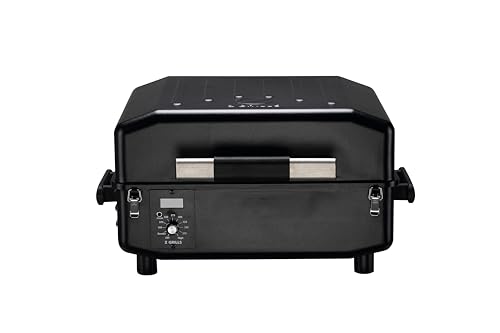
Best portable: Z GRILLS 200A Compact Pellet Grill and Smoker, 202 sq in, PID 3.0
Best portable
Z GRILLS 200A Compact Pellet Grill and Smoker, 202 sq in, PID 3.0
Z Grills
- Cooking area: 202 sq in
- Hopper capacity: Not listed
- Temp range: Not listed
- Controller: PID 3.0 digital
- Cooking racks: Not listed
- Build / material: Compact steel body, 52 lb
Z Grills' 202 sq in compact pellet grill weighs 52 lb and runs an automatic pellet feed with PID 3.0 temperature control — sized for patios, camping and tailgates.
Last checked 2026-10-09
Best budget WiFi: Brisk It Zelos-450 Wood Pellet Grill and Smoker, 450 sq in, WiFi

Best budget WiFi
Brisk It Zelos-450 Wood Pellet Grill and Smoker, 450 sq in, WiFi
Brisk It
- Cooking area: 450 sq in
- Hopper capacity: Not listed
- Temp range: 180–500°F
- Controller: WiFi app + adaptive PID digital controller
- Cooking racks: Not listed
- Build / material: Weather-resistant steel, wheels, cover included
Brisk It's Zelos-450 is a 450 sq in, 7-in-1 pellet grill with WiFi app control, an adaptive PID controller running 180–500°F, an included meat probe and grill cover, on a weather-resistant steel body with wheels.
Last checked 2026-10-09
Best entry-level smoker: Pit Boss 700 Carbon Series Wood Pellet Grill and Smoker, 718 sq in

Best entry-level smoker
Pit Boss 700 Carbon Series Wood Pellet Grill and Smoker, 718 sq in
Pit Boss
- Cooking area: 718 sq in
- Hopper capacity: Not listed
- Temp range: 180–500°F
- Controller: LCD digital with included meat probe
- Cooking racks: Porcelain-coated steel grates
- Build / material: Steel with grease bucket management system
Pit Boss's 700 Carbon Series offers 718 sq in on porcelain-coated steel grates, an LCD digital controller with an included meat probe, automatic start-up and cool-down, and a 180–500°F range.
Last checked 2026-10-09
What to buy alongside the grill
Once you have the grill, the cheap upgrades that change the most are pellets, a cover and a probe thermometer — see best pellets & accessories. Stepping up in size later? The Traeger vs Pit Boss comparison covers the brand ecosystems. And the cook-capacity & hopper burn-time calculator checks whether a smaller, cheaper grill can still make it through your longest cook.
Frequently asked questions
What is the best affordable pellet grill?
The best affordable pellet grill pairs a real PID controller with a family-size grate at a price that does not cut the corners that matter — build steadiness and temp control. Spending the least on motors and badges, and the most on a stable cook, is the value play. Verified picks land on this page once real product data is in.
Can you get a good pellet smoker under $500?
Yes. Under $500 you can get plenty of grate area, a usable hopper and a digital controller that holds low-and-slow temps. What you usually give up at that price is WiFi/app control, heavier insulation and a high sear ceiling — none of which a beginner strictly needs to pull a good brisket.
Do I need WiFi or PID on a budget grill?
A PID-style controller is worth prioritising even on a budget — it holds temp far more tightly than a basic on/off controller, which matters for long cooks. WiFi/app control is a genuine convenience (watch an overnight cook from your phone) but it is a nice-to-have, not a need-to-have. If the choice is PID-without-WiFi versus WiFi-without-PID at the same price, take the PID.
Are portable pellet grills any good?
A good portable pellet grill still holds steady temps — the trade-off is capacity. A small grate and small hopper suit tailgates, balconies and weeknight cooks for two, but a full brisket or a crowd will outgrow it. If portability is the point, a compact grill is a smart buy; if it is your only grill and you entertain, size up.
What is the cheapest pellet grill worth buying?
The cheapest one still worth owning is the simplest reliable unit — a steady build, a digital controller that holds temp, and enough hopper for a weekend cook. Below that floor you hit wobbly bodies and guessing controllers that frustrate beginners into quitting, which is the false economy this guide is built to help you avoid.